

How to Style a Home
How to Style a Home That Actually Feels Like Home
There's a common belief that decorating a home is about finding things that match. The right shade of beige. The perfect set of cushions. Everything coordinated, everything in its place.
But the rooms that feel best—the ones people actually want to spend time in—aren't the ones that match. They're the ones that feel considered. A coffee table that someone clearly chose with care. A mirror that catches the afternoon light in a way that makes you pause. Lighting that turns ordinary evenings into something worth savouring.
That's what good styling is really about. Not decorating. Not filling space. But building a home, piece by piece, that feels genuinely right.
Start with what anchors the room
Every room has a centre of gravity—something that pulls the space together and gives everything else a reason to be there. In a living room, it's usually the coffee table. In a dining space, it's the table itself. In a bedroom, it might be a beautiful rug beside the bed or a mirror that makes the whole room feel larger.
These anchor pieces deserve attention first. Not because they're the most expensive, but because they set the tone for everything else.
A marble coffee table, for instance, does something that other materials can't quite replicate. There's weight to it. Permanence. The veining is never the same twice, which means each piece is genuinely one of a kind. It becomes the thing guests notice when they walk in, and the thing that brings quiet satisfaction with every morning coffee.
The same goes for a well-chosen console table in an entryway, or a substantial side table next to a favourite chair. These aren't afterthoughts. They're the bones of a room.
Mirrors do more than reflect
Mirrors are easy to underestimate. They seem purely functional—something for checking a reflection on the way out the door.
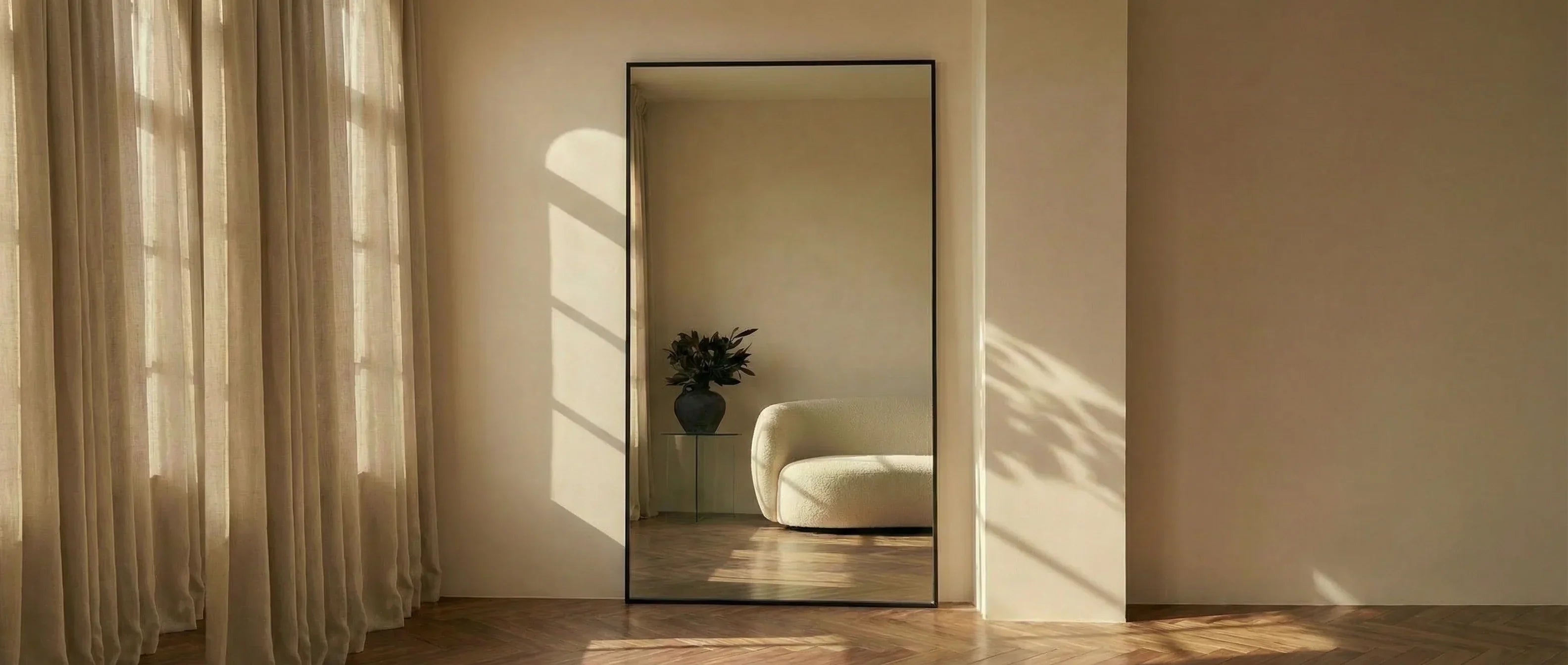
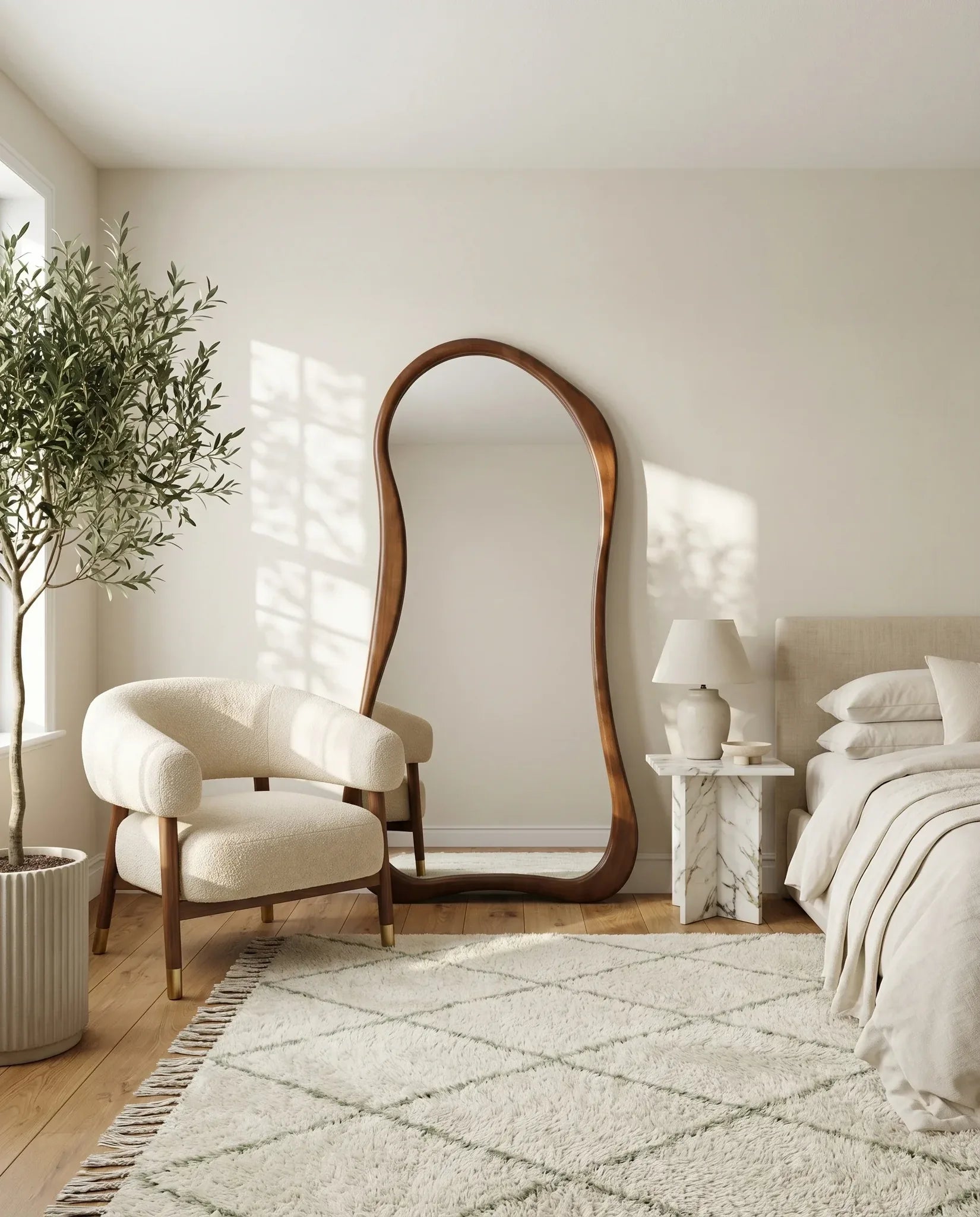
But a good mirror transforms a room. It bounces light into dark corners. It creates depth where there wasn't any. A full-length mirror in a compact bedroom can make the space feel twice as large. An arched mirror above a console table becomes an instant focal point—something that draws the eye and makes the whole arrangement feel intentional.
Floor mirrors, in particular, work beautifully in almost any space. Lean one against a wall in a living room, and suddenly the space opens up. The light moves differently. There's a sense of air that wasn't there before.
Beyond the practical magic, mirrors are simply beautiful objects. The frame matters—whether it's a slim metal edge for something modern, a curved organic shape for softness, or no frame at all for pure minimalism. The best mirrors are ones worth hanging even if they didn't reflect anything.
Lighting is where rooms come alive
Here's something worth understanding early: a room with only one light source will always feel flat. It doesn't matter how beautiful the furniture is or how thoughtfully it's arranged. If everything is lit by a single overhead fixture, the magic isn't there.
Good lighting happens in layers.
A pendant lamp above the dining table creates focus and intimacy. Suddenly dinner feels like an occasion, even on a weeknight. The right pendant becomes a sculptural element during the day and a warm glow when the sun goes down.
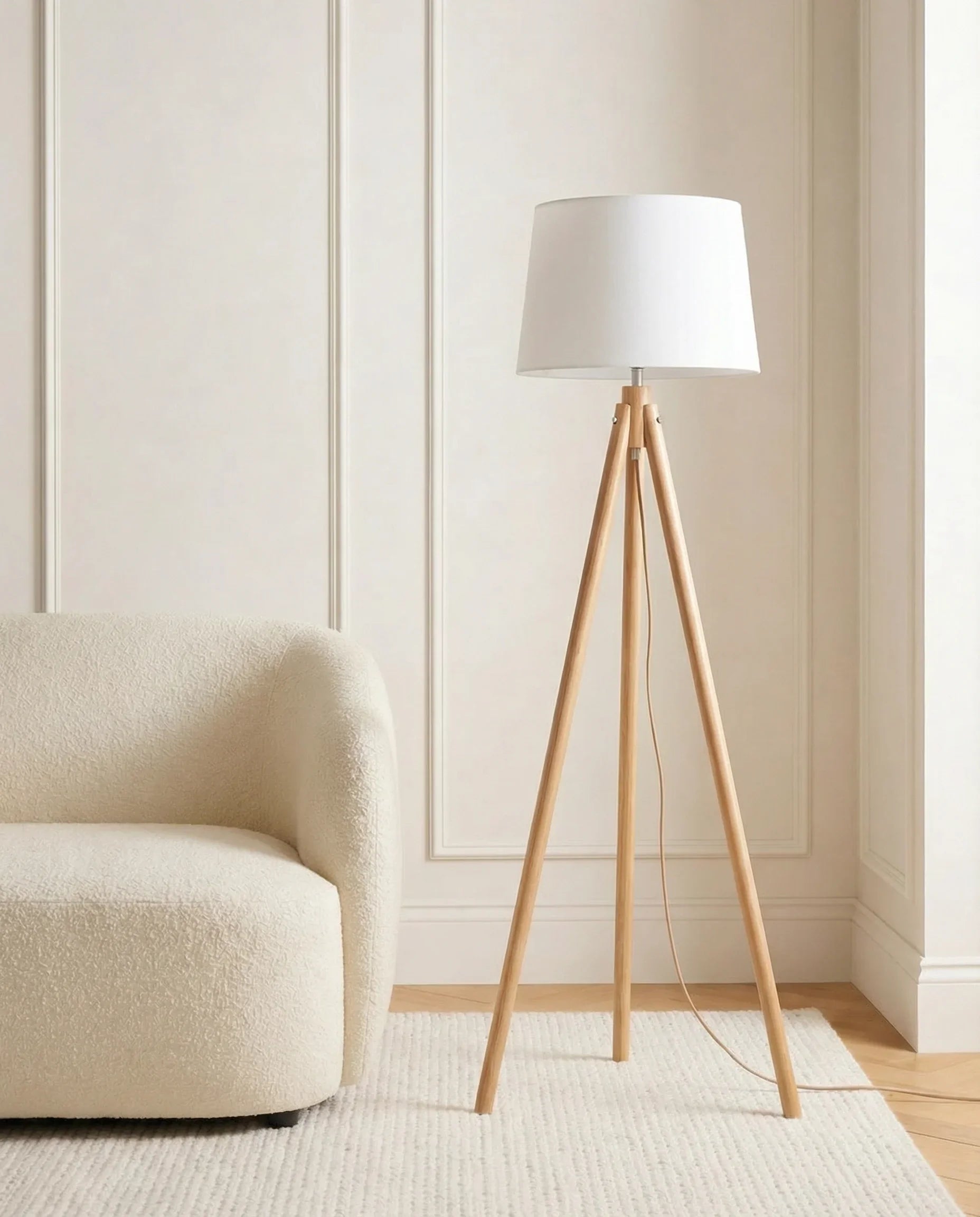
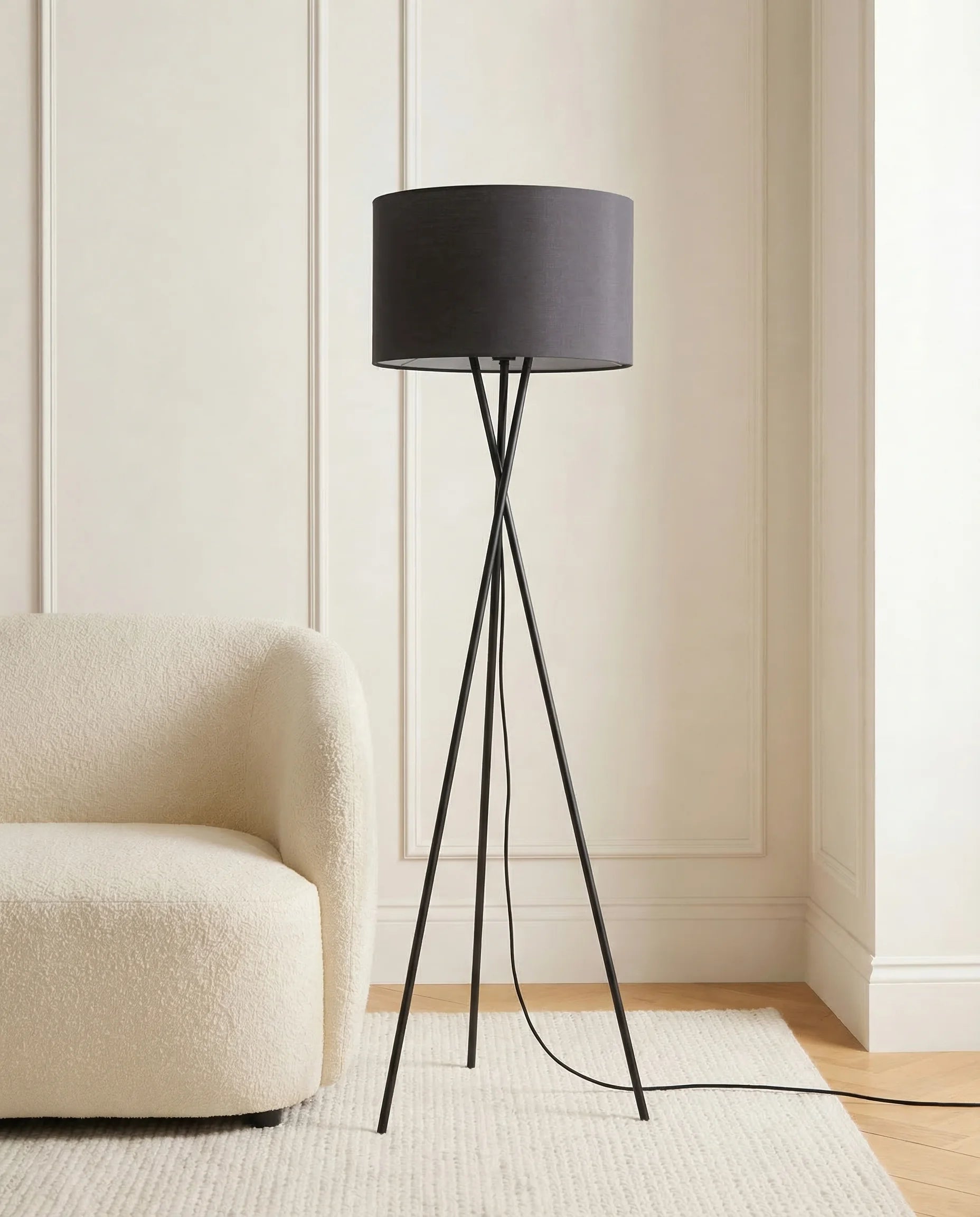
Floor lamps bring light to the corners that overhead fixtures miss. Positioned beside a reading chair or arched over a sofa, they create pools of warmth that make a room feel layered and inviting. They also add height and visual interest—something vertical in a space often dominated by horizontal furniture.
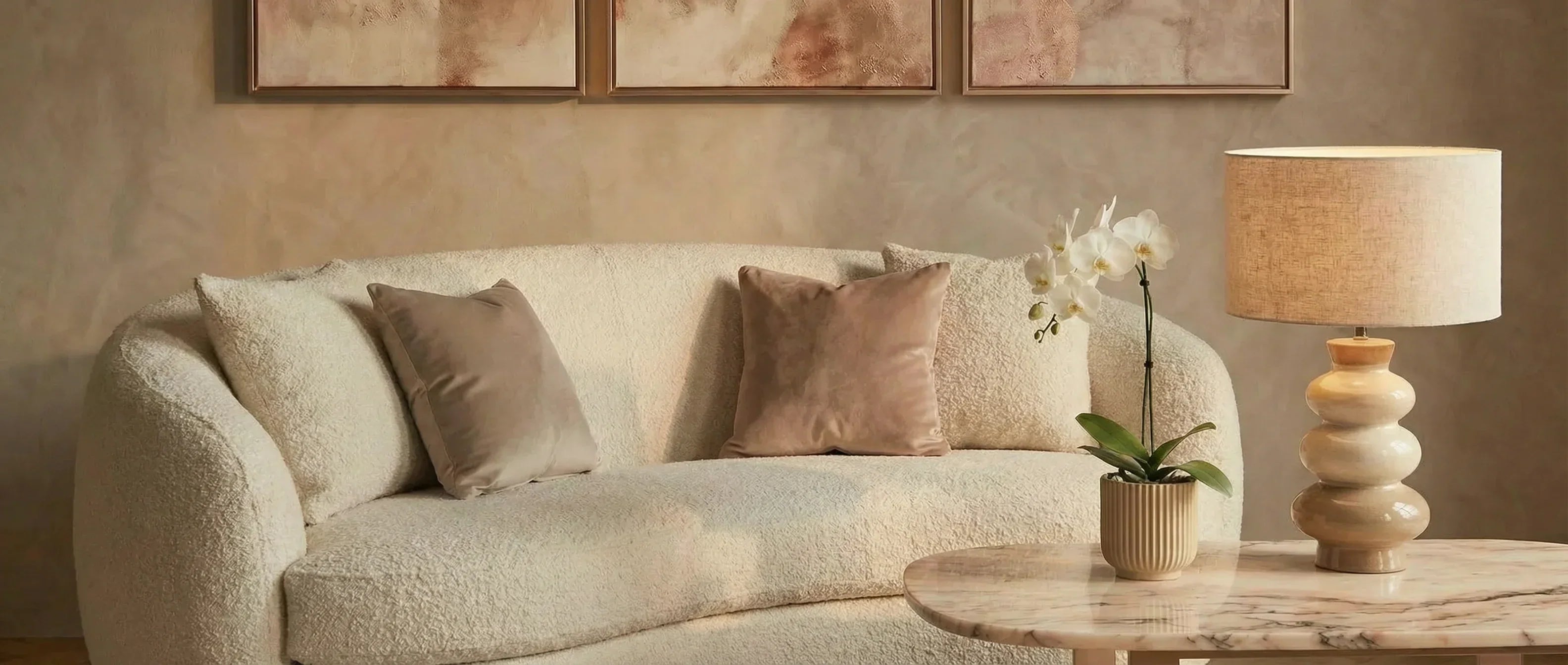
Table lamps shouldn't be overlooked either. A lamp on a side table or console catches the eye and casts a soft glow that makes evenings feel intentional. There's a reason hotels invest so heavily in bedside lighting—it changes how a space feels completely.
The goal isn't to light every corner equally. It's to create contrast, shadow, atmosphere. Rooms that feel good after dark are rooms where someone thought about lighting.
The details that make a room feel finished
Once the anchor pieces and lighting are sorted, it's the smaller things that bring a room to life. These aren't afterthoughts—they're what make a space feel genuinely lived in rather than staged.
Rugs
A rug does more than cover floor. It defines a space, adds texture, and brings warmth underfoot. In a living room, it anchors the seating arrangement—ideally, at least the front legs of the sofa should sit on the rug. In a bedroom, a soft rug beside the bed makes that first step in the morning something small to look forward to.
The best rugs are chosen for how they feel, not just how they look in photos. Texture matters. Weight matters. It's something that gets touched every single day.
Wall art
Empty walls are missed opportunities. Art brings personality to a room in a way that furniture alone can't. It doesn't need to be expensive or important—it just needs to be something worth looking at.
A single large piece can anchor a wall. A thoughtful arrangement of smaller works can tell a story. Abstract, botanical, photography, textured pieces—what matters is genuine connection. Art is personal. It should feel that way.
Accent chairs
An accent chair needs to work twice: it should look good when no one's sitting in it, and it should actually be comfortable when someone is. Too many beautiful chairs fail on the second count.
The best ones become the favourite seat in the house—the spot to gravitate to with a book, a coffee, a quiet moment. Paired with a floor lamp and a side table, an accent chair creates an instant retreat within a larger room.
Plants, real or otherwise
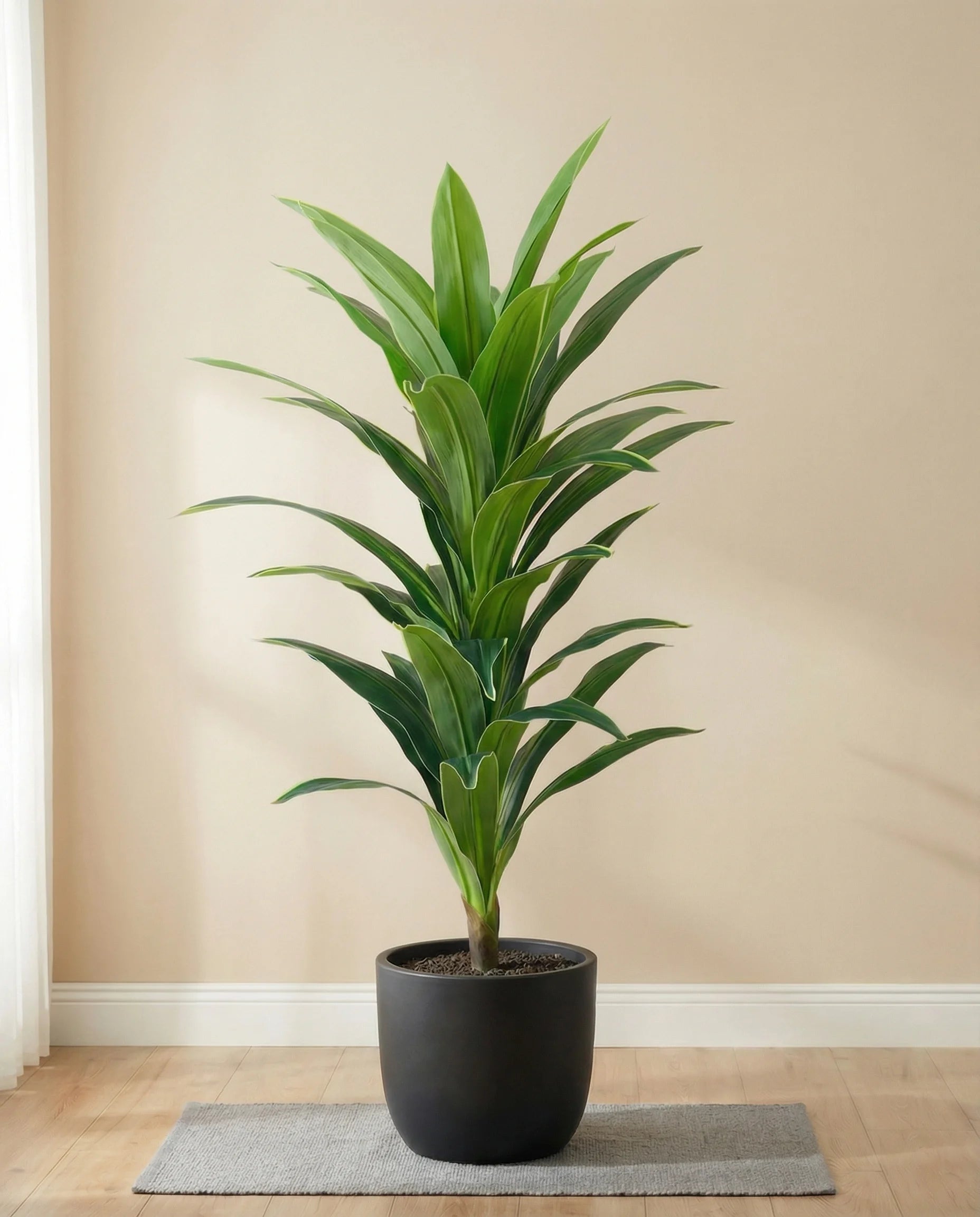
Greenery brings life to a room. For those with the light and commitment for real plants, wonderful. For everyone else, there's no shame in faux. Quality artificial plants have come a long way—an olive tree in a corner, a trailing plant on a shelf, a few stems in a vase. They soften edges and add organic shapes to spaces dominated by straight lines.
The trick is choosing ones that look realistic and placing them where real plants might actually thrive. A faux fiddle leaf in a bright corner works. A fern in a windowless bathroom doesn't fool anyone.
A few principles worth remembering
Quality over quantity, always. One beautiful piece is worth more than five forgettable ones. A marble side table chosen with care will outlast and outshine a cheap set bought out of convenience. Buy less, but buy better.
There's no rush. It's tempting to furnish a whole room at once, but the best spaces evolve. Living in a home for a while reveals what's actually missing. Adding pieces as they're found, rather than as a checklist demands, leads to rooms that feel collected rather than purchased.
Natural materials age better. Marble develops character over time. Wood gets richer. Good metals patina beautifully. Cheap materials just look old. Investing in pieces made from real materials means investing in things that will look better in five years, not worse.
Empty space is okay. Not every corner needs to be filled. Not every wall needs art. Sometimes the most powerful design choice is leaving room to breathe. A curated home isn't a crowded one.
Trust instinct. If something doesn't feel right, it probably isn't—no matter how trendy or well-reviewed. And if something creates a pause, an urge to reach out and touch it, a vision of exactly where it would go? That's the piece.
In the end, it's about how it feels
There are beautifully decorated homes that feel cold. And there are modest apartments that feel like the warmest places on earth. The difference isn't budget. It's intention.
A home that feels right isn't one where everything matches. It's one where every piece was chosen for a reason. The coffee table that demanded to come home. The mirror that catches morning light. The lamp that makes the living room glow at night. The rug that feels perfect underfoot.
These things add up. Not to a decorated space, but to a considered one. A home that tells a story without saying a word.
And that's worth taking time for.
—
Explore pieces worth coming home to at The Home Peck.
Keep exploring: our quiet-luxury living room ideas continue these principles room by room, and the best sellers are a natural place to start.